
The Denton County Garter Snake
The garter snake also called “Gardener snake” is in the family of Natricine snake species. These species are among the snakes native to North America and they can equally be found in sub-arctic areas of Canada as well as Massachusetts, USA. They share close resemblance with South American and North American water snakes.
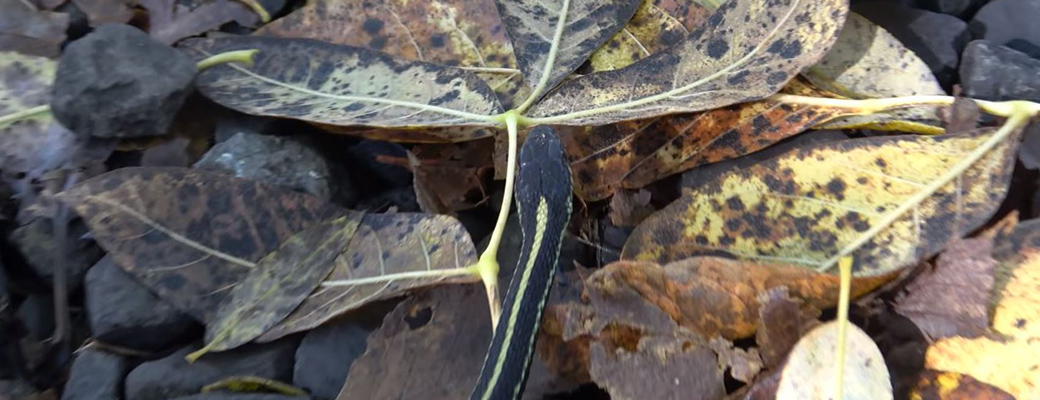
The appearance
Garter snake has narrow head with normal body size and length extending to about 120cm. The female species are smaller in size than the male. Also, garter snake has body typified by brown coloration rounded with small dark patches. But, the garter snake found in the East is known to be predominated by black color.
Biology
One thing about garter snakes is that they mostly hibernate in group. So, collecting them is always easier. The larger ones are mostly found in area with aquatic live pollution. Just with a single strike this snake can kill the prey due to the venomous nature. They usually go into hibernation in August and month of October and usually become more active afterwards.
Life cycle
Garter snake has life cycle of about 20 years. Nevertheless, it is among the highest endangered species with most of the offspring dying within hours, days or even months of being born. The male usually prepare for mating in the Brumation season. Also, in the mating season different males usually mate with the females at the same time.
Habitat and diet
Due to the varied diet of garter snakes, they usually have high level of distribution. They are known to be native in North America but can easily adapt to varied habitat. Another thing is that they usually live beside water as they are highly aquatic in nature. Garter snakes can equally be found in their large numbers in the forests, woodlands, grassland, lawns as well as fields. Being carnivorous in nature, they are known to feed other animals. Some of the usual preys are: lizard, leeches, slugs, earthworms, crickets, slugs, toads, ants, smaller snakes and minnows.
The behavior
The communication of garter snake with each other is normally done using pheromone. That is to say they usually detect the presence of each other through the scent of the pheromone. The pheromones of the males have different scent from the one of the females.
Visit our Denton County wildlife trapping home page to learn more about us.
© 2018 Denton County Wildlife - Wild Animal Removal Services
